
Every couple goes through hard seasons.
There are times when stress is high, patience is low, schedules are full, and even small conversations feel harder than they should. For busy couples juggling careers, kids, responsibilities, family pressure, and the constant logistics of daily life, it can be easy to tell yourself:
“We’re just stressed.”
“It will get better once life slows down.”
“We should be able to figure this out ourselves.”
“We’re both smart and self-aware, so why do we keep having the same fight?”
But sometimes the biggest warning signs are not dramatic.
They are not always betrayal, explosive fights, or someone saying, “I want out.”
Sometimes the signs show up in the small behaviors couples overlook.
The way you talk to each other.
The way you interpret each other.
The way you recover after conflict.
The way you start seeing your partner less as a teammate and more as the problem.
That is often when professional marriage help can make the biggest difference.
Not because your relationship is doomed.
Not because you have failed.
But because the pattern is starting to take over.
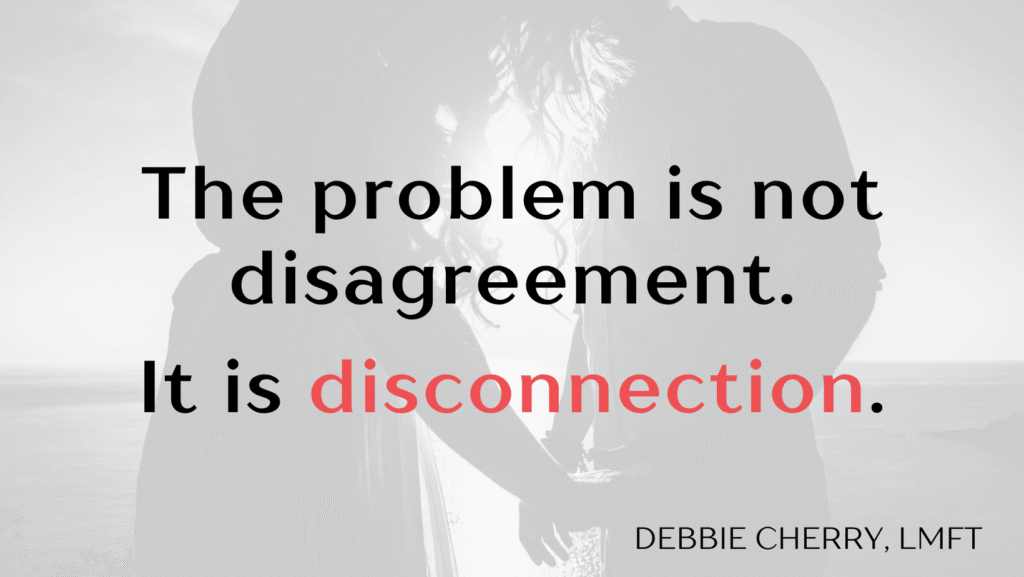
The issue is usually not that you disagree. Every couple disagrees.
The bigger warning sign is when disagreement starts changing how you see each other.
When connection turns into protection, it may be time to get support.
The Real Warning Signs Are Often Small Behaviors, Not Big Events
Many couples wait too long to get help with marital issues because the pain is not strong enough to take action yet.
They wait until the fights are unbearable.
They wait until someone threatens to leave.
They wait until resentment has hardened.
They wait until they feel more like roommates than romantic partners.
But relationships often start asking for help long before the marriage crisis becomes obvious.
The warning signs may look more like this:
You try to win the argument.
You keep score.
You focus on each other’s faults.
You become critical of mistakes.
At first, these behaviors can seem small. They may even seem justified.
You are trying to explain your side.
You are trying to defend yourself.
You are trying to show your partner how much you have been carrying.
You are trying to make sure your pain is heard.
But over time, these behaviors can slowly change the emotional climate of the relationship.
Instead of feeling like partners, you start feeling like opponents.
Instead of trying to understand each other, you start building a case against each other.
That is when marriage help can be especially valuable.
1. You Try to Win Instead of Understand
One overlooked behavior that signals it may be time for marriage help is when conflict starts to feel like a contest.
You are no longer trying to understand what happened between you.
You are trying to win.
You want to prove your point.
You want your partner to admit they were wrong.
You want the facts to line up in your favor.
You want them to finally see how much they hurt you.
Of course you want to be understood. That is human.
But when couples get stuck in this pattern, the conversation often shifts from connection to courtroom.
One partner presents evidence.
The other partner defends.
One partner corrects the details.
The other partner counters with their own version.
Both partners leave feeling unheard.
The painful part is that both people may be trying to reach for the same thing underneath the argument.
One partner may be trying to say, “Please see how much this matters to me.”
The other may be trying to say, “Please don’t see me as the bad one.”
But because both partners are protecting themselves, neither partner feels safe enough to truly listen.
This is how smart, loving, capable couples can end up having the same argument over and over.
The topic may change. It might be the dishes, money, parenting, sex, in-laws, screen time, or the calendar.
But underneath, the fight is often about something deeper:
Do I matter to you?
Do you hear me?
Are we on the same team?
Can I bring something up without being attacked?
Can we disagree without losing each other?
Expert marriage support can interrupt this pattern by shifting the goal of conflict.
The goal is not to win.
The goal is to understand what is happening between you, so both partners can feel safer, clearer, and more connected.
A helpful reframe is:
We are not here to win the argument. We are here to protect the connection while we solve the problem.
That one shift can change everything.
2. You Keep Score Instead of Repairing
Another overlooked behavior is scorekeeping.
Scorekeeping often sounds like:
“I did it last time.”
“You never do that for me.”
“I always have to be the one to bring this up.”
“You got to rest, and I didn’t.”
“I apologized first last time.”
“I have been trying more than you.”
Sometimes scorekeeping starts because something is genuinely unequal. One partner may be carrying more of the emotional labor, parenting load, household work, planning, or repair.
So the problem is not that you notice imbalance.
The problem is when the relationship becomes organized around keeping track instead of repairing.
When couples keep score, every hurt becomes evidence. Every mistake gets added to the file. Every new argument pulls in old injuries.
Before long, you are not just arguing about what happened today.
You are arguing about the last five years.
This can make repair feel almost impossible because the current issue is never just the current issue.
A small mistake becomes proof that your partner does not care.
A forgotten task becomes proof that you are alone.
A defensive comment becomes proof that they never listen.
A missed bid for connection becomes proof that you do not matter.
This is when couples often need help.
Not because the pain is not valid. It may be very valid.
But because scorekeeping keeps the relationship stuck in a cycle of blame, proof, and protection.
Repair requires a different question.
Instead of asking, “Who has done more?” the question becomes:
“What needs to be understood, repaired, or changed so we can feel like a team again?”
That does not mean ignoring real imbalance.
It means addressing the issues without turning your partner into the enemy.
Professional marriage help gives couples a structured space to talk about what feels unfair, unseen, or exhausting without the conversation turning into another round of attack and defense.
Because the goal is not to erase the score.
The goal is to understand why both partners feel so alone with what they are carrying.
3. You Notice What’s Wrong More than What’s Right.
Your partner can be thoughtful, helpful, affectionate, or engaged throughout the day—and then forget one thing you asked them to do.
What are you most likely to remember?
The thing they forgot.
Or maybe you have a mostly good evening together, but one comment lands wrong. Suddenly, that moment takes up more space than everything that felt good before it.
This is especially common when couples are stressed, disconnected, or triggered. Our brains naturally pay more attention to potential problems than to signs that everything is okay. From a survival perspective, that makes sense: noticing the possible threat matters more than noticing all the things that are going right.
In relationships, though, that protective tendency can distort the picture.
The negative can start to feel bigger than the good, even when, if you stepped back and looked at the whole relationship, that is not actually the case.
You notice what was missed.
What was forgotten.
What felt disappointing.
What did not happen the way you hoped.
And the everyday moments of care can become easier to overlook.
The goal is not to ignore problems or convince yourself everything is fine. It is simply to notice when your brain has started giving what is wrong far more attention than what is right.
A useful question is:
Am I seeing the whole picture right now, or has my attention narrowed around what went wrong?
4. Small Mistakes Start Feeling Like Character Flaws
The fourth overlooked behavior is when small mistakes turn into bigger stories about who your partner is.
It is one thing to say:
“I felt hurt when you forgot.”
It is another to say:
“You are selfish.”
It is one thing to say:
“I needed more help tonight.”
It is another to say:
“You never care about what I need.”
It is one thing to say:
“I felt alone with this.”
It is another to say:
“You are always checked out.”
When couples are facing ongoing marital problems, it is easy to move from behavior to identity.
Instead of talking about what happened, you start defining who your partner is.
They are selfish.
They are lazy.
They are cold.
They are dramatic.
They are impossible.
They are careless.
They are too much.
They are never enough.
This is where conflict becomes especially painful and leads to a downward spiral.
Because most people can stay more open when you talk about a behavior.
But when they feel attacked at the level of character, they usually protect themselves.
They defend.
They shut down.
They counterattack.
They withdraw.
They stop listening.
Then the original hurt never gets repaired.
This is how couples get stuck in the negative loop:
One partner feels hurt and criticizes.
The other partner feels blamed and defends.
The first partner feels dismissed and escalates.
The second partner feels unsafe and shuts down.
Both partners end up feeling alone.
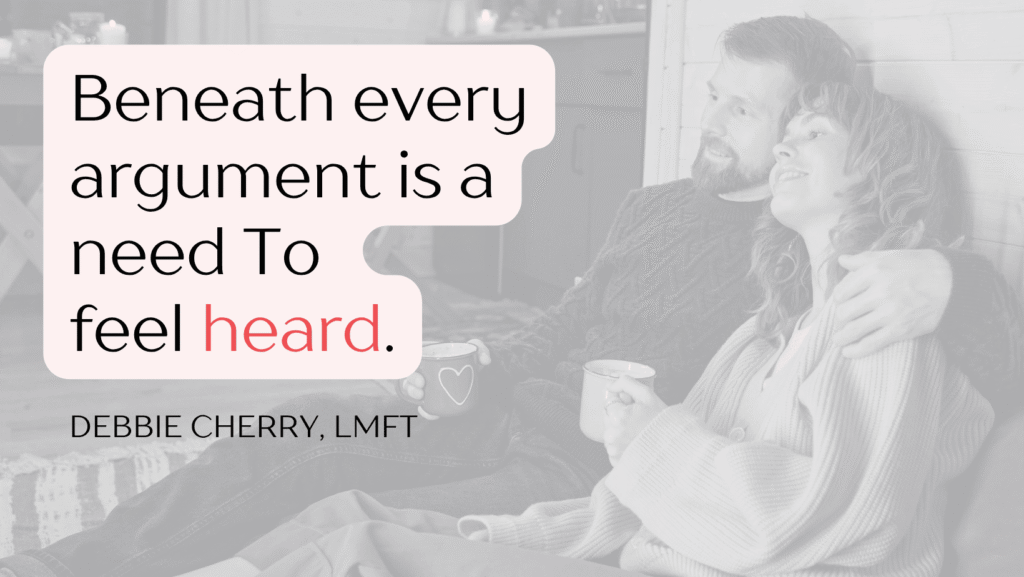
The heartbreaking part is that underneath the conflict, there is often a vulnerable need.
“I want to matter to you.”
“I want to feel chosen.”
“I want to know I am not alone.”
“I want to feel respected.”
“I want us to feel close again.”
But vulnerability often gets hidden under criticism when couples do not feel emotionally safe.
Professional marriage help can help partners slow this pattern down and say the softer thing underneath the sharper reaction.
Instead of:
“You never listen.”
You might learn to say:
“I feel alone when I try to talk and it does not feel like you are with me.”
Instead of:
“You only care about yourself.”
You might learn to say:
“I need to feel like my needs matter to you too.”
Instead of:
“You always ruin the night.”
You might learn to say:
“I was hoping we could feel close, and I felt disappointed when we disconnected again.”
It is about helping your partner hear the pain underneath the protest.
When These Behaviors Become a Pattern, Do Not Wait
Every couple has moments of defensiveness, criticism, scorekeeping, or frustration.
The concern is not that these behaviors happen once in a while.
The concern is when they become the main way you relate to each other.
When winning replaces understanding.
When scorekeeping replaces repair.
When fault-finding replaces appreciation.
When criticism replaces vulnerability.
When protection replaces connection.
That is when couples often start to feel emotionally unsafe.
You may still love each other.
You may still want the relationship to work.
You may still have good moments.
You may still be highly committed.
But the pattern may be stronger than your intentions.
That is exactly when marriage help can be useful.
Couples therapy is not only for couples on the edge of divorce.
It is for couples who want to interrupt the pattern before it becomes the relationship.
What Professional Marriage Help Can Do
The right support can help you slow down what is happening between you.
Instead of rehashing the same argument, you begin to understand the cycle underneath it.
You learn how to:
Communicate without triggering each other’s defenses
Bring up hard topics in a safe place
Listen for the feelings underneath the facts
Repair faster after conflict
Name needs without blame
Take responsibility without shame
Rebuild emotional safety
Feel more like partners again
Professional marriage therapy gives couples a structure for the moments when love is still there, but the pattern keeps getting in the way.
It helps you move from:
“Who is right?”
to
“What is happening between us?”
From:
“How do I prove my point?”
to
“How do we protect our connection?”
From:
“You are the problem.”
to
“This is the pattern we are caught in.”
That shift can create real strength and a better marriage.
You Do Not Have to Wait for a Crisis
Many couples wait because they think things are not bad enough.
But the best time to get support is often before the relationship feels impossible to repair.
Get help when you still care.
Get help when you still miss each other.
Get help when you keep saying, “We need a better way to talk about this.”
Get help when the same pattern keeps taking over, even though both of you want something better.
You do not have to wait until resentment becomes contempt.
You do not have to wait until silence becomes distance.
You do not have to wait until every conversation feels like a courtroom.
The overlooked behaviors matter because they are often early signs that the relationship needs care.
Your bond is asking for support.
Debbie Cherry, LMFT
Ready to Get Back on the Same Team?
Learn how to interrupt the pattern, communicate with more care, and rebuild the emotional safety that helps both partners feel seen, heard, and connected again.
📅 Schedule a free consultation to see how couples therapy can help you stop repeating painful patterns and create a more secure, connected partnership.
Frequently Asked Questions About Marriage Help
What is the first step if I think my marriage is in trouble?
The first step is to notice the pattern without immediately deciding who is right or wrong. In married life, most couples do not struggle because of one argument. They struggle because the same painful interaction keeps repeating. One spouse may push harder while the other spouse shuts down. One person may criticize while the other gets defensive. When you can name the pattern instead of blaming the person, you create the first opening for a better marriage.
How do I know if we need marriage help or if this is just a hard season?
Every marriage goes through stress, especially when partners are also parents, raising children, managing work, caring for a mother or father, or dealing with pressure from everyday life. But it may be time for marriage help if small conflicts keep turning into anger, scorekeeping, shutdown, or distance. A troubled marriage does not always look dramatic from the outside. Sometimes it looks like two committed people who still love each other but no longer know how to spend quality time, talk safely, or repair after conflict.
Can a marriage survive resentment, infidelity, or an emotional affair?
Yes, some couples can survive resentment, infidelity, or an emotional affair, but rebuilding takes honesty, accountability, commitment, and hard work from both partners. The spouse who was hurt usually needs time, clarity, and consistency in order to rebuild trust. The spouse who broke trust has to be willing to understand the impact, answer hard questions, and change the behaviors that damaged safety. Forgive does not mean forget, rush, or pretend the past did not matter. It means repair becomes possible when both people decide to do the deeper work.
What if my husband or wife is focused only on my faults?
When a husband or wife starts noticing faults faster than effort, it can make the relationship feel unsafe very quickly. A small mistake starts to feel like proof of a bigger character flaw. Instead of “you forgot,” it becomes “you never care.” Instead of “I felt hurt,” it becomes “you are selfish.” This pattern can slowly weaken intimacy because both partners begin protecting themselves instead of reaching for each other. Marriage help can give couples a safer way to talk about pain, responsibility, and change without turning every mistake into evidence.
Is separation the only option when we keep having the same fight?
Separation may be something some couples eventually consider, but it is not the only option when conflict keeps repeating. For many couples, the issue is not a lack of love. It is that the conflict cycle has become stronger than their ability to repair. Before you decide what the future of the marriage should be, it can help to understand what happens between you when you argue, how anger escalates, and whether both partners are willing to practice new ways of communicating.
Why do we act fine with friends and other couples but struggle at home?
Many couples can look calm, capable, and connected around friends, family, or other couples while privately feeling disconnected at home. That does not mean the pain is fake. It often means the relationship has become the place where stress, disappointment, and unmet needs come out. The person you love most can also be the person whose reactions matter most to your nervous system. That is why small moments with your spouse can feel so loaded.
What should I expect from professional marriage help?
You can expect marriage help to focus less on deciding who is the problem and more on understanding the pattern you are both caught in. A therapist may help you slow down conflict, identify the emotions underneath blame, rebuild trust, restore quality time, and strengthen intimacy. The goal is not to create a perfect relationship. The goal is to help both partners communicate with more safety, responsibility, and care so the marriage has a stronger chance to heal.
Can we rebuild trust if only one spouse wants help?
It is possible for one spouse to take a meaningful first step, especially by changing how they respond to conflict, anger, avoidance, or criticism. But rebuilding trust in a marriage usually requires both partners to participate over time. One person can soften the pattern, stop keeping score, or bring more honesty and calm into the relationship. But a better marriage is built when both people decide the relationship is worth protecting and both are willing to do the hard work.
Helpful Relationship Research and Resources
If you want to understand why small conflict behaviors can matter so much over time, these resources offer helpful research-based context:
- Gottman and Levenson’s research on marital processes and divorce explains how patterns during conflict can predict later relationship outcomes.
- Research on perceived marital bond shows that the way couples describe and make meaning of their relationship can predict marital stability.
- Demand-withdraw research helps explain why one partner may push harder while the other shuts down, creating a painful cycle neither partner knows how to stop.
If you are ready to feel closer and stop repeating the same painful patterns, couples communication therapy, marriage counseling, or couples conflict resolution therapy can help you understand what is really happening underneath the conflict, rebuild emotional safety, and decide how to move forward with more clarity.